The Research Method MrBeast's Team Used to Find What Actually Works
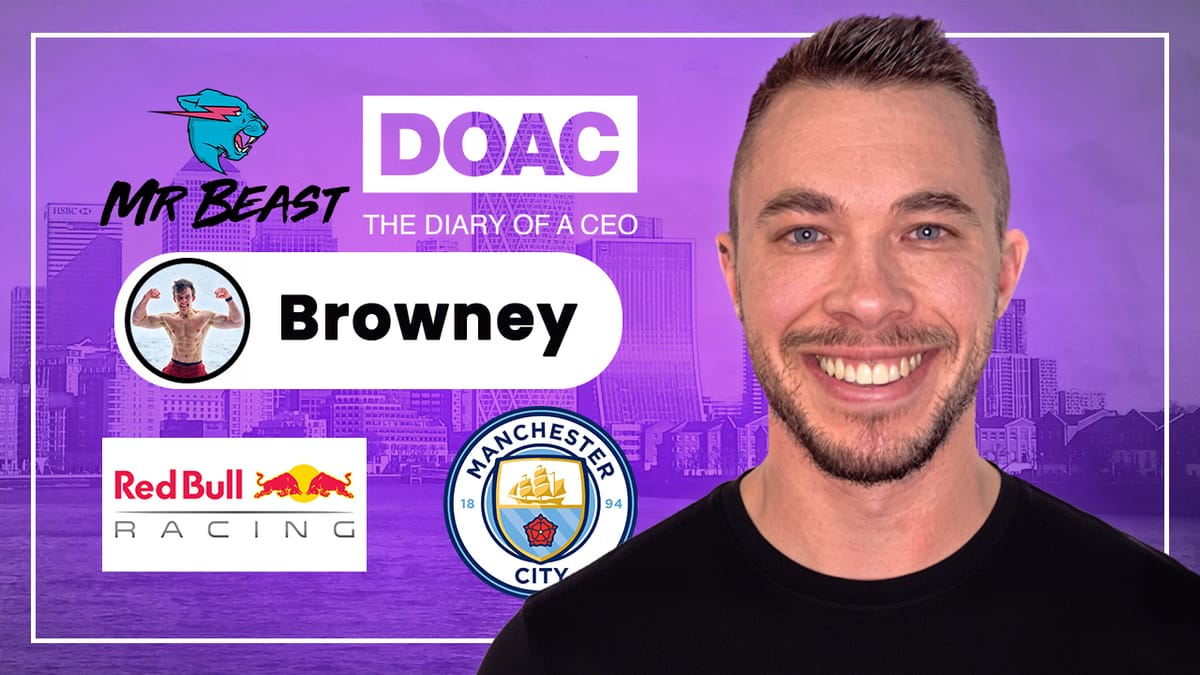
Most creators guess. MrBeast's team didn't. Here's the system one of their researchers used to turn YouTube's trending page into a pattern-finding machine, and how you can use a lighter version of it.
The Weekly Outlier Audit
Max Haller spent his days at MrBeast doing one thing: finding outliers.
He'd collect roughly 100 videos from YouTube's trending page daily, then dissect everything. Titles, thumbnails, face placement, colors, most-replayed moments. He'd build graphs and tables, looking for clusters: what themes were popular, what specific elements made those themes work, what patterns kept appearing.
The goal wasn't to copy. It was to understand why things worked, then use those patterns to fuel original ideas.
You don't need to do 100 videos a day. But the principle scales down beautifully.
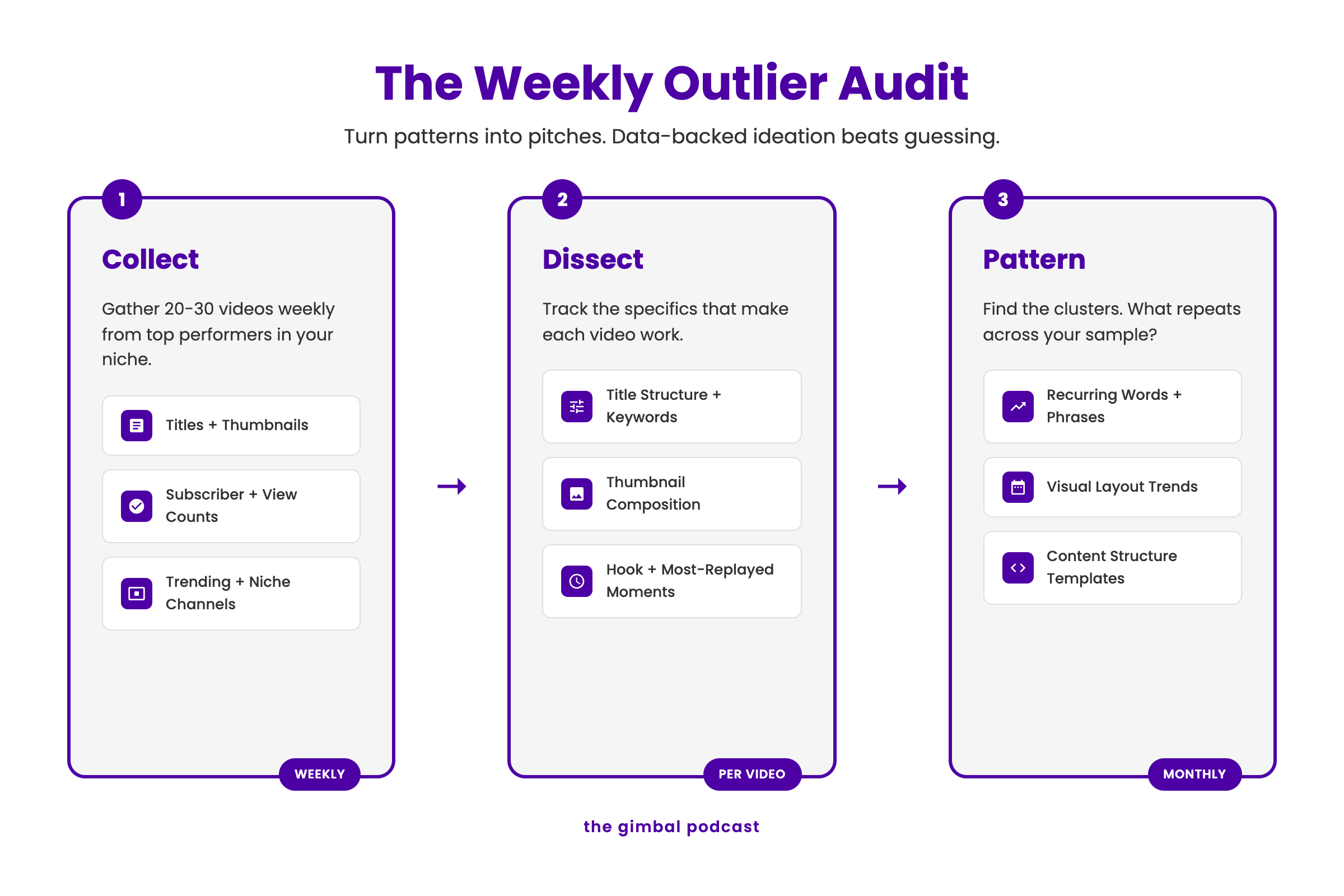
The Weekly Outlier Audit has three layers:
- Collect — Gather 20-30 videos weekly from your niche's top performers or trending content.
- Dissect — Track the specifics: title structure, thumbnail composition, hook timing, most-replayed sections.
- Pattern — Look for clusters. What words keep appearing? What visual elements repeat? What moments hold attention?
The magic is in the third layer. Individual videos teach you nothing. Patterns across dozens of videos teach you everything.
How to Use This
- Pick your sample source. Choose 3-5 channels in your niche that consistently perform well. Add YouTube's trending page if relevant.
- Build a simple tracker. Spreadsheet with columns: video title, thumbnail notes, hook (first 30 seconds), most-replayed moment, subscriber count, view count.
- Collect weekly, not daily. 20-30 videos per week is sustainable. 100 per day is a full-time job.
- Review monthly for patterns. After 4 weeks, you'll have 80-120 data points. Look for what repeats: specific words, visual layouts, content structures.
- Turn patterns into pitches. When you spot a cluster, propose an idea that uses the pattern but fits your creator's voice. Data-backed ideation beats guessing every time.
What Else Max Revealed
- The one-page test that got him hired at Diary of a CEO (and the three questions they asked every candidate)
- Why "too perfect" thumbnails can actually hurt click-through rates, and the $1 vs $0 psychology behind it
- The exact outreach approach that landed collaborations with Manchester City and Red Bull Racing athletes
- His advice for getting hired by top creators: "Find the thing they haven't said out loud yet"
Listen to the full conversation with Max Haller:
[Episode link coming soon]